

Sleep and Anti-Aging | Importance Of Sleep In Anti-Aging Regimens And Tips For Improving Sleep Quality
Sleep, a vital component of our daily routine, significantly impacts our health and well-being, especially as we age. This article delves into the importance of sleep and anti-aging regimens, highlighting how quality sleep can contribute to longevity and vitality. We’ll explore the science behind sleep and aging, address common sleep challenges among older adults, and provide actionable tips for improving sleep quality.
The Science of Sleep and Anti-Aging
How Sleep Changes with Age
As we grow older, our sleep patterns undergo noticeable changes. These changes can often include a decrease in deep sleep stages, variations in sleep schedule, and increased wakefulness at night.
Understanding these changes is the first step in addressing sleep-related issues and improving sleep quality.
The Critical Link: Sleep, Aging, and Your Appearance
As our sleep patterns transform as we age it has direct consequences for how we look. To enhance sleep and slow down the visible signs of aging, the first step is addressing sleep-related issues and improving sleep quality. Letès look at some of our sleep changes:
- Diminishing Deep Sleep: When we’re young, slow-wave sleep (deep sleep) is predominant. This is the stage where vital restorative processes for both body and skin happen. With age, this precious deep sleep reduces significantly. Less deep sleep means less time for:
- Human Growth Hormone (HGH) Release: HGH is fundamental for cell regeneration and repair, playing a crucial role in healthy skin structure.
- Collagen Production: Collagen is the protein that keeps skin firm and elastic. Sleep boosts collagen production, while sleep deprivation accelerates its breakdown.
- Shifting Sleep Schedules: We may become ‘early birds’ as we age, sleeping and waking up earlier. This alteration disrupts the circadian rhythm (our internal body clock), which regulates many systems, including skin health. A disrupted circadian rhythm can compromise the skin’s barrier function and leave it more vulnerable to external stressors.
- Nighttime Awakenings: Older adults often experience more awakenings during the night. The resulting fragmented sleep diminishes overall sleep quality and disrupts restorative processes. Disrupted sleep can impact how the skin copes with daytime aggressors and inflammation, leaving it looking dull and aged.
The Role of Sleep in Cellular Regeneration
We can see the importance of how sleep plays a crucial role in cellular repair and regeneration. During deep sleep stages, the body undergoes processes essential for physical recovery, including muscle repair, tissue growth, and hormone regulation. These regenerative processes are vital for maintaining youthfulness and delaying the aging process.
Importance of Sleep and Anti-Aging

The Anti-Aging Effects of Better Sleep
The connection between sleep and graceful aging is clear. Here’s how prioritizing sleep combats the visible signs of aging:
- Radiant Glow: Good sleep encourages improved blood flow to the skin, delivering oxygen and nutrients to boost a healthy glow. Conversely, tired skin can appear sallow and lackluster.
- Minimized Wrinkles and Fine Lines: Deep sleep allows for optimal collagen production. Collagen depletion is a primary factor in the formation of wrinkles. Prioritizing quality sleep replenishes this protein to help counteract these concerns.
- Reduced Puffiness and Under-Eye Circles: During sleep, fluid redistributes in the body. Inadequate sleep can create eye puffiness and dark circles which age the face.
- Stronger Skin Barrier: A well-functioning skin barrier helps protect against irritants and helps with moisture retention. Good sleep optimizes barrier function, while disrupted sleep makes the skin more susceptible to dryness and sensitivities.
Cognitive Benefits and Memory Retention
Sleep is essential for cognitive function and memory consolidation. We have all noticed the slowness and dullness when we don’t get enough sleep. That is because the brain requires a certain amount of sleep to function as normal.
Studies have shown that good sleep habits can enhance cognitive abilities, improve memory retention, and reduce the risk of neurodegenerative diseases.
Common Sleep and Anti-Aging Challenges Among Older Adults
Insomnia: Not Just Sleeplessness, But Accelerated Aging

Insomnia is more than just trouble sleeping; it’s a chronic condition that can contribute to a faster rate of biological aging. It’s characterized by difficulty falling or staying asleep. Its impacts can be far-reaching, affecting daytime energy, mood, and overall health.
Here’s how:
- Cellular Damage: Studies link insomnia to higher levels of oxidative stress, where unstable molecules damage our cells. This accelerated cellular damage fuels age-related conditions and can manifest in changes to our appearance.
- Telomere Shortening: Telomeres are caps at the end of our chromosomes, protecting them as cells divide. They shorten naturally with age, but insomnia might exaggerate this, promoting premature cellular aging.
- Chronic Inflammation: Poor sleep triggers the body’s inflammatory response. Long-term, this low-grade inflammation damages tissues throughout the body. Increased inflammation plays a significant role in many age-related diseases and weakens the body’s overall resilience.
- Comorbidities: Insomnia increases the risk of several health problems associated with faster aging:
- Heart Disease: Poor sleep contributes to elevated blood pressure and cardiovascular issues.
- Metabolic Disorders: Insomnia disrupts glucose regulation and is linked to diabetes, which ages the body prematurely.
- Cognitive Decline: Studies point to an increased risk of Alzheimer’s and dementia in those with chronic insomnia.
Insomnia’s Visible Toll on You
The internal damage caused by insomnia often translates into outward signs of premature aging:
- Skin Aging: Lack of sleep hinders collagen production and accelerates skin breakdown, leading to wrinkles, saggy skin, and loss of radiance.
- Hair Changes: Poor sleep potentially harms hair follicles, resulting in increased dryness, thinning of the hair, or premature graying.
- Overall Fatigued Appearance: Dark circles under the eyes, a sallow complexion, and drooping facial features are characteristic of sleep deprivation and can prematurely age the face.
The Cycle of Insomnia and Aging
Unfortunately, insomnia and aging have a negative feedback loop:
- Aging Disrupts Sleep: Many age-related changes, like hormonal shifts and increased medical conditions, disrupt our internal sleep-wake cycle.
- Insomnia Worsens Aging Issues: The body’s natural repair mechanisms suffer due to sleep deprivation, accelerating age-related health declines.
Fighting Back: Addressing Insomnia for Overall Well-being
- Seek Professional Help: Don’t underestimate insomnia’s severity. See a doctor to rule out underlying conditions and consider treatments like Cognitive Behavioral Therapy for Insomnia (CBT-I) or potential medication.
- Prioritize Sleep Hygiene: This includes a dark, cool sleep environment, regular sleep schedule, and technology wind-downs before bed.
- Stress Management: Stress worsens insomnia and accelerates aging. Implement stress-reducing strategies like relaxation techniques, mindfulness, or physical exercise.
Please Note: The link between insomnia and accelerated aging is still a developing area of research. Although a correlation exists, it’s complex – aging contributes to insomnia and insomnia worsens the health impacts of aging.
Sleep Apnea and Anti-Aging

The Nighttime Thief: How Sleep Apnea Steals Your Youth
Imagine a thief slipping into your room every night, not for your jewels, but for your vitality. That’s what sleep apnea does. This disorder, where your breathing repeatedly pauses during sleep, does more than leave you groggy the next day. It activates a cascade of biological sabotage that makes you age faster from the inside out.
Obstructive Sleep Apnea (OSA) is a condition where breathing repeatedly stops and starts during sleep. OSA becomes more prevalent with age due to factors like weight gain and changes in the muscles of the throat. Undiagnosed OSA can lead to serious health problems like high blood pressure, heart disease, and stroke.
- Oxygen Sabotage: Each disrupted breath starves your body of oxygen. It’s like a thousand tiny suffocation events per night! This stress forces your heart to work harder, and over time, puts a strain on every organ, making you vulnerable to the ailments associated with age.
- The “Stress” Hormone Hangover: When you can’t breathe, your body panics, jolting you briefly awake and pumping out cortisol—the stress hormone. Chronic cortisol surges not only break down collagen (hello, wrinkles!), but also promote weight gain and a host of health problems related to aging.
- Inflammation Overload: Imagine your body on constant low-grade alert. Sleep apnea keeps your inflammation levels high, which damages cells and fuels age-related diseases, like heart problems and diabetes.
- Cellular “Rust”: Ever heard of telomeres? They’re like protective caps on your DNA that shorten with age. Well, sleep apnea rusts those caps prematurely! Shortened telomeres = faster cellular aging.
The Beauty Sleep You’re Missing
While you should have been peacefully rejuvenating, sleep apnea’s antics might show up as:
- Weathered Skin: Dryness, saggy skin, and the loss of a healthy glow result from poor collagen production and decreased nighttime cellular repair.
- Haggard Eyes: Those baggy eyes and under-eye circles reflect not just a bad night, but a constant state of exhaustion and potential inflammation.
- The Exhausted Look: Fatigue weighs down your features and energy, making you seem years older.
Unlocking the Anti-Aging Power of Breath
The good news is that addressing sleep apnea can slow down and even reverse some of this damage! Here’s how:
- CPAP: The Fountain of Youth?: Continuous Positive Airway Pressure (CPAP) is the gold-standard treatment, keeping your airways open for a night of uninterrupted, oxygen-rich breathing. CPAP therapy has been linked to improvements in blood pressure, glucose control, and even a decrease in markers of biological aging.
- Restoring Skin Radiance: With consistent CPAP use, your body finally gets to catch up on vital restorative processes. Expect improved skin hydration, collagen production, and a more vibrant overall appearance.
Don’t Snooze on Change
If you snore loudly, gasp for air in your sleep, or feel unrefreshed no matter how long you sleep, don’t let time tick away.
Talk to your doctor about getting evaluated for sleep apnea.
Reclaim your sleep, and the potential to turn back the clock on your well-being and appearance.
Strategies for Improving Sleep Quality
Creating a Restful Environment
A conducive sleep environment is key to improving sleep quality. Your bedroom should be a sanctuary for sleep.
- Keep your room dark, quiet, and cool.
- Invest in comfortable bedding and pillows.
- Utilize blackout curtains or an eye mask to block out light.
- Consider using a white noise machine or earplugs to minimize distractions.
The Role of Diet and Exercise In Sleep and Anti-Aging
A healthy diet and regular exercise are crucial for promoting good sleep. Avoid large meals close to bedtime, and limit caffeine and alcohol intake, especially in the evening.
Regular exercise during the day can make it easier to fall asleep at night but avoid strenuous activity too close to bedtime.
Diet and exercise have a profound impact on sleep. Regular physical activity and a balanced diet can help regulate sleep patterns and improve sleep quality.
Sleep Hygiene for the Elderly
Establishing a Sleep Routine
Although it can be hard, sticking to a consistent bedtime and wake-up time, even on weekends, trains your body’s natural sleep-wake cycle, resulting in a better sleep.
If you develop a relaxing bedtime routine, you may start to fall asleep quicker.
Add things like these to your sleep routine for anti-aging:
- take a warm bath
- read a book
- listen to calming music
A consistent sleep schedule helps regulate the body’s internal clock, leading to improved sleep quality. Going to bed and waking up at the same time every day is a cornerstone of good sleep hygiene.
Limiting Screen Time Before Bed
The blue light emitted by electronic devices suppresses the production of melatonin, the sleep hormone.
Minimize screen time for at least an hour before bed, or use blue light filtering glasses or apps.
Exposure to blue light from screens disrupts the natural sleep cycle. By limiting screen time before bed, you possibly can help facilitate a smoother transition to sleep.
Technological Advances for Better Sleep
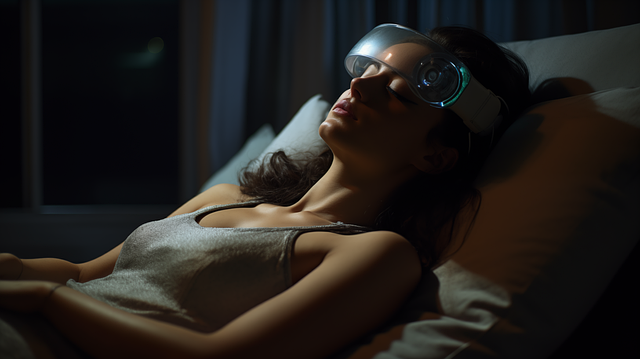
Sleep Tracking Devices
Modern sleep tracking devices offer valuable insights into sleep patterns, helping individuals identify and address sleep issues.
Apps and Tools for Sleep Improvement
Several apps and tools are designed to improve sleep quality, offering features like sleep meditation, white noise, and sleep cycle analysis.
Natural Remedies and Supplements
Herbal Teas and Their Benefits
Certain herbal teas, such as chamomile and lavender, are known for their relaxing properties, which can aid in improving sleep quality.
Safe Use of Sleep Supplements
While supplements like melatonin can be helpful, they should be used judiciously and under medical supervision.
The Psychological Aspect of Sleep and Aging
Stress Management Techniques
Stress is a common barrier to quality sleep. Effective stress management techniques, such as mindfulness and meditation, can significantly improve sleep quality.
The Impact of Mindfulness and Meditation
Mindfulness and meditation not only reduce stress but also improve sleep quality by promoting relaxation and easing the transition to sleep.
Case Studies: Sleep Improvement Success Stories
Lifestyle Changes and Their Impact
Real-life success stories highlight how lifestyle modifications can dramatically improve sleep quality and overall well-being.
Integrating Technology for Sleep Enhancement
Case studies also demonstrate the effectiveness of technology in monitoring and improving sleep patterns, leading to significant health benefits.
Sleep and Aging Research: What’s New?
Recent Studies and Findings
Ongoing research continues to shed light on the relationship between sleep and aging, offering new insights and recommendations for enhancing sleep quality in later life.
While much research has supported the connection between sleep and aging, this field is actively developing with some exciting new findings. Here’s a look at some recent directions and discoveries:
Focus Points of New Research In Sleep and Anti-Aging
-
Telomeres and DNA Repair: Our DNA sustains damage daily, but efficient repair mechanisms help slow aging. Sleep plays a role, and scientists are focusing on:
- How sleep deprivation reduces the activity of telomerase, the enzyme that helps preserve telomeres (those protective caps on our chromosomes).
- Whether optimizing sleep could improve DNA repair mechanisms and counteract age-related changes at the cellular level.
-
The Brain and Neurodegenerative Diseases: The glymphatic system, a cleansing process in the brain, functions primarily during sleep. Researchers are investigating:
- If poor sleep prevents proper ‘housekeeping’ in the brain, allowing harmful protein buildup linked to Alzheimer’s and Parkinson’s.
- Whether optimized sleep, particularly in midlife, can be a protective strategy against cognitive decline.
-
Inflammation and Metabolic Markers: While the link between sleep and inflammation is established, ongoing studies fine-tune our understanding:
- Identifying new inflammatory markers affected by sleep variations may allow for early intervention before major aging-related diseases manifest.
- Research investigates if restoring healthy sleep reverses negative metabolic effects of chronically poor sleep (for example, insulin resistance).
Emerging Findings
- The Time Factor: Early findings suggest not just sleep duration but the timing of sleep is crucial. Sleeping in alignment with our natural circadian rhythm might be most protective against aging processes.
- Women and Sleep: Women experience age-related sleep changes in ways distinct from men. Studies seek to better understand factors like menopause-related sleep disruption on hormonal responses and subsequent health effects.
- Personalized Sleep Interventions: Rather than just general guidelines, tailoring sleep recommendations to an individual’s genetic predispositions and health conditions has shown promise in mitigating age-related risks.
Where This Research Can Lead
The hope is that understanding the precise biological mechanisms linking sleep and aging will unlock:
- Early Biomarkers: We could potentially identify people most at risk for accelerated aging due to sleep issues before significant health issues develop.
- Sleep as Preventive Medicine: Just as with exercise and nutrition, a deeper understanding solidifies sleep as a primary pillar of aging well.
- New Therapies: Could treatments tailored to improve specific sleep disruptions prove more effective than generalized sleep aids in delaying aging-related decline?
Important Note: Research in this area is often complex and observational, meaning correlation without definitive causation. Still, it reinforces the need to prioritize sleep as a vital health parameter as we age.
FAQs: Addressing Common Concerns
What are the best practices for improving sleep quality as we age?
To enhance sleep quality as you age, establish a consistent sleep routine, including going to bed and waking up at the same time daily. Create a comfortable and quiet sleep environment, limiting exposure to blue light from screens before bedtime. Incorporate physical activity into your daily routine but avoid vigorous exercise close to bedtime. Manage stress through relaxation techniques such as deep breathing, meditation, or gentle yoga. Lastly, pay attention to your diet by reducing caffeine and heavy meals in the evening.
How does sleep affect our aging process?
Sleep plays a pivotal role in the aging process by supporting critical bodily functions. It aids in the repair and regeneration of cells, including skin cells, which can slow the visible signs of aging. Adequate sleep also supports cognitive function, helping to preserve memory and reduce the risk of age-related cognitive decline. Furthermore, good sleep contributes to emotional and psychological well-being, which is crucial for maintaining quality of life as we age.
Can technology really help improve sleep?
Yes, technology can significantly improve sleep quality through various tools and devices designed to monitor and enhance sleep. Sleep tracking devices can provide insights into sleep patterns, helping identify potential issues such as periods of restlessness or wakefulness. Apps offering guided meditations, sleep stories, or white noise can create a more conducive environment for sleep. However, it’s important to use these technologies wisely and avoid screen time immediately before bedtime to minimize exposure to blue light.
Are natural sleep aids safe and effective?
Natural sleep aids, such as herbal teas (e.g., chamomile, valerian root) and supplements like melatonin, can be safe and effective when used correctly. However, their effectiveness can vary from person to person. It’s essential to consult with a healthcare provider before starting any natural sleep aid, especially if you have underlying health conditions or are taking other medications, to avoid potential interactions and ensure safe usage.
How can I create a sleep-conducive environment?
Creating a sleep-conducive environment involves several key factors:
- Comfort: Ensure your mattress, pillows, and bedding are comfortable and supportive.
- Temperature: Keep your bedroom at a cool, comfortable temperature, ideally between 60-67°F (15-19°C).
- Light: Minimize light exposure, using blackout curtains or an eye mask if necessary.
- Noise: Reduce noise levels with earplugs or a white noise machine to block out disruptive sounds.
- Electronics: Remove or limit the use of electronic devices in the bedroom to reduce blue light exposure and distractions.
By addressing these questions and implementing the suggested strategies, you can significantly improve your sleep quality, contributing to a healthier and more youthful aging process.
Conclusion
Understanding the critical role of sleep in the anti-aging regimen is essential for promoting health and vitality. By addressing sleep challenges and implementing strategies for improving sleep quality, older adults can enhance their overall well-being and enjoy a more vibrant, youthful life.